History
INTENT:
The intention of our History curriculum is to inspire pupils’ curiosity about the past and to develop a coherent knowledge and understanding of Britain’s history and that of the wider world. Through the study of History, children gain an understanding of how past events and people have shaped the world in which we live today.
Rooted in our mission, ‘Love like Jesus, Learn like Jesus, Live like Jesus’, our History curriculum promotes reflection on values such as justice, compassion and resilience while developing an appreciation of diversity across time and place.
We are committed to ensuring that all pupils, regardless of background or starting point, have equal access to a rich and ambitious History curriculum. Recognising that some pupils may begin with gaps in language, vocabulary or life experiences, we place a strong emphasis on developing communication skills, historical vocabulary and cultural capital so that every child can succeed.
IMPLEMENTATION:
Teachers create a positive attitude towards History learning and maintain high expectations for all pupils, ensuring that every child is supported to succeed.
The curriculum is coherently sequenced and structured to ensure progression in both knowledge and disciplinary skills. Pupils develop a secure chronological understanding of key periods, events and civilisations, from early learning about changes within living memory and significant individuals in Key Stage 1, to more complex studies of ancient civilisations, British history and local history in Key Stage 2. This carefully planned progression enables pupils to revisit and deepen their understanding over time.
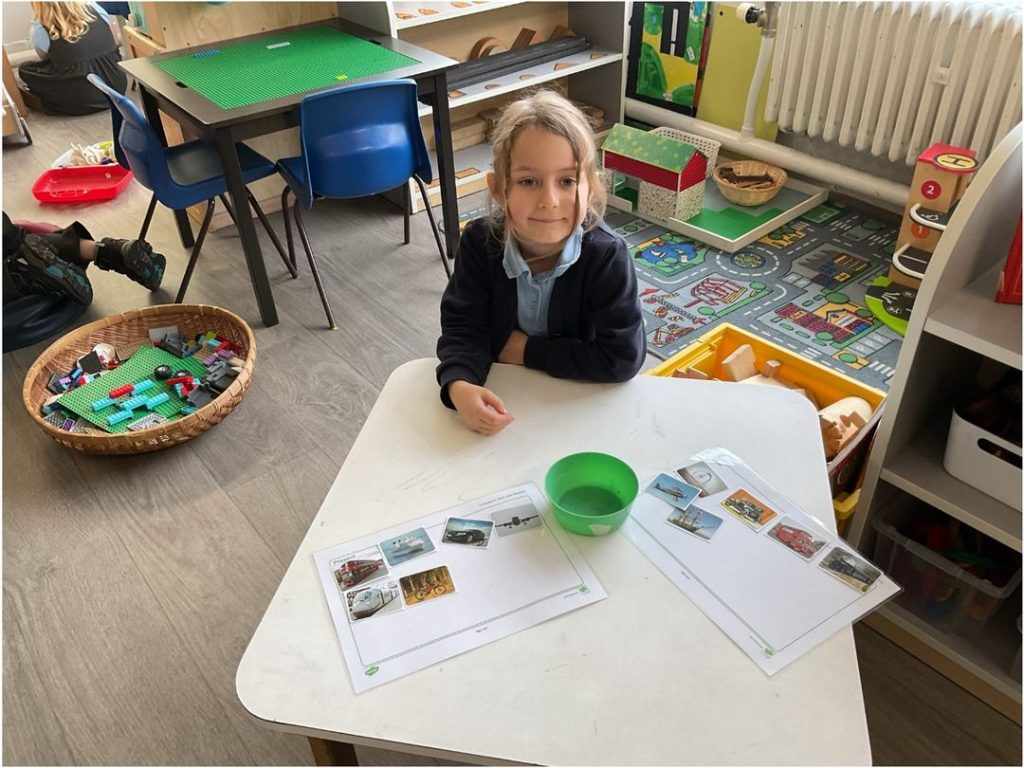
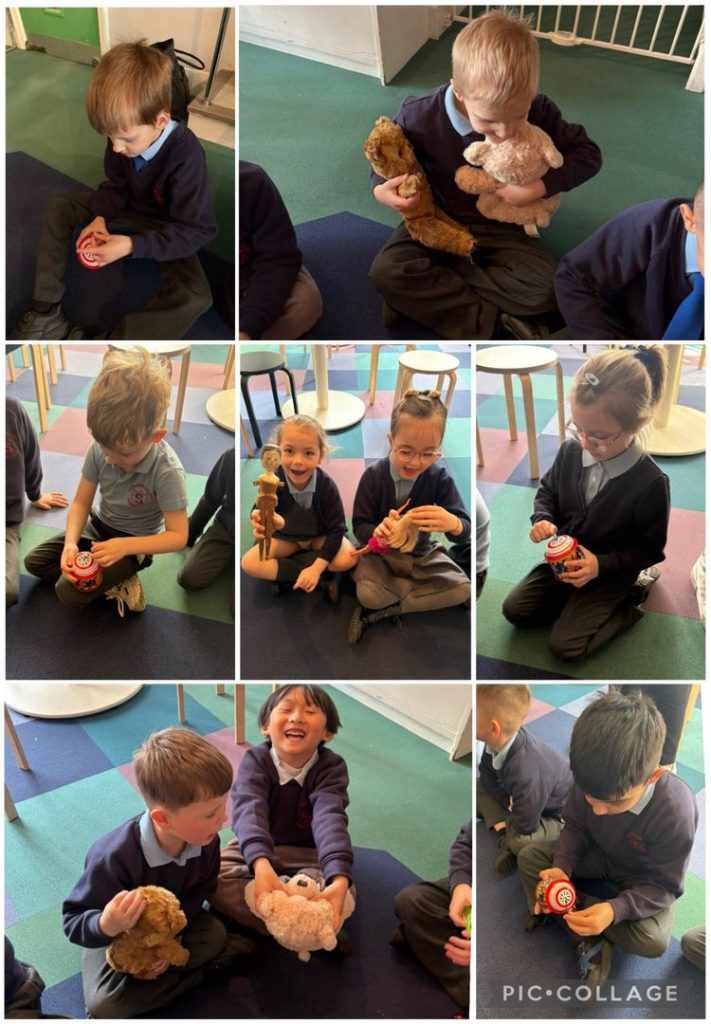
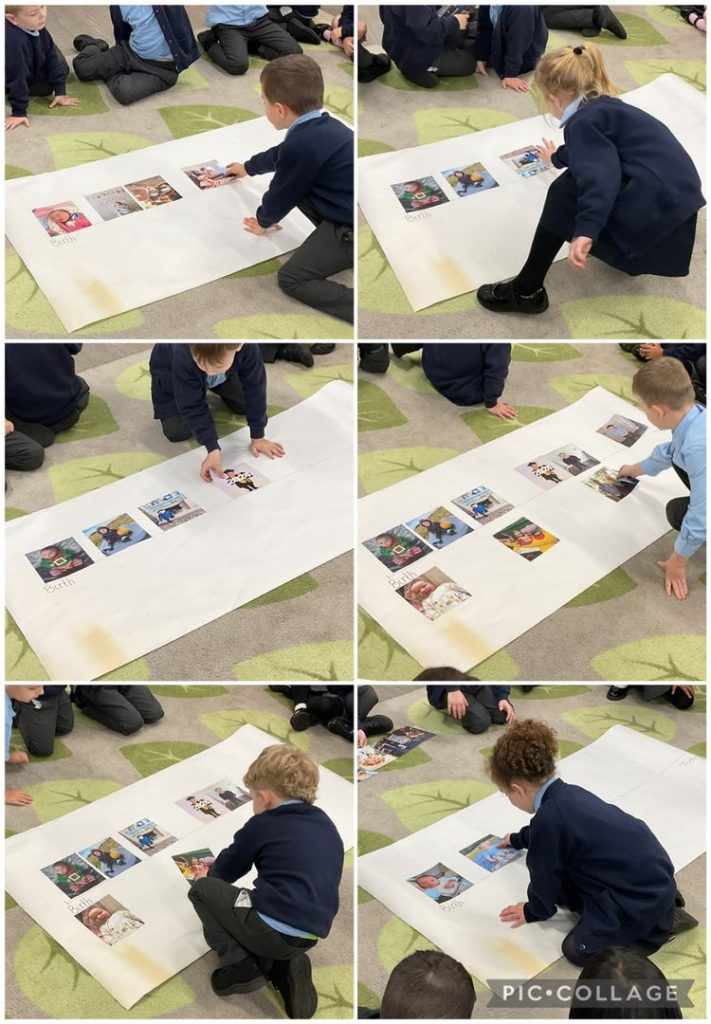
- In KS1, learning is supported through storytelling, images, artefacts and simple sources to develop early understanding of the past.
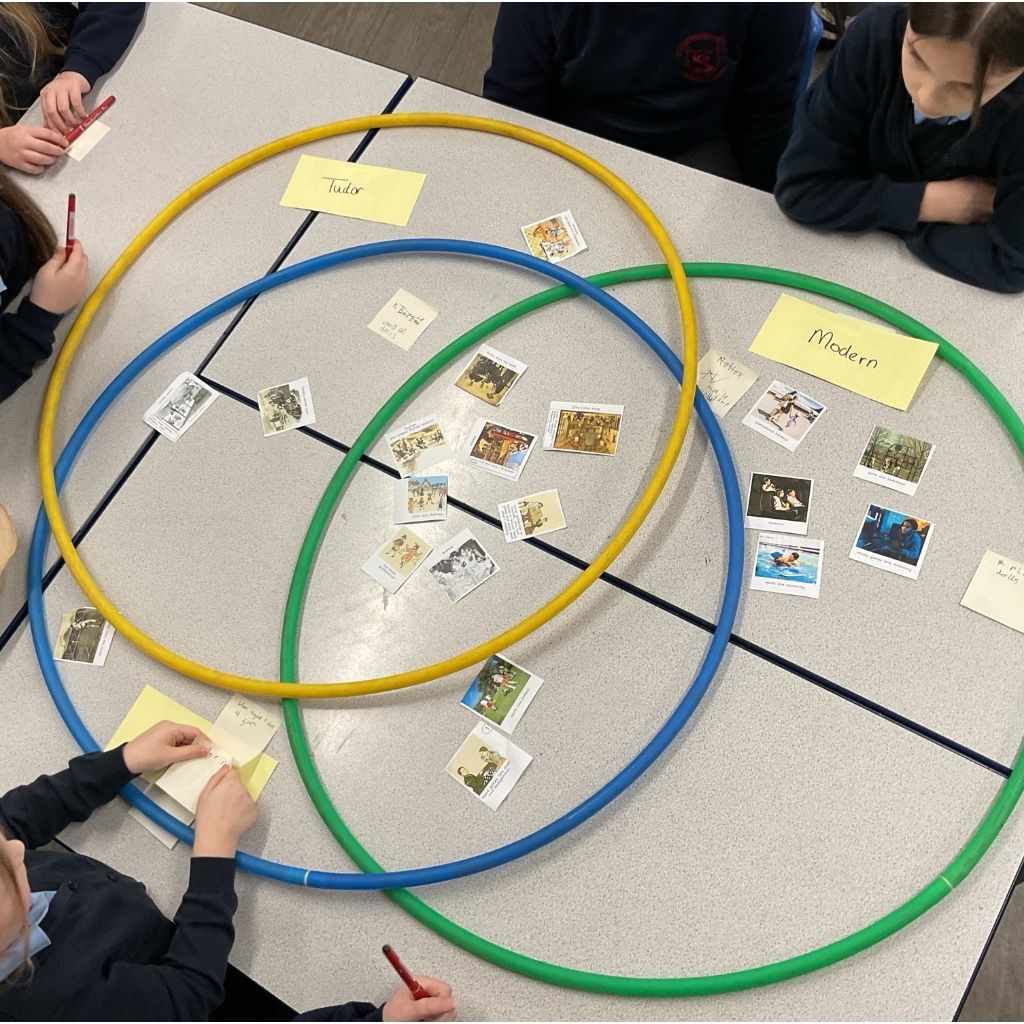
- In KS2, pupils engage in more in-depth historical enquiry, analysing a range of sources, comparing interpretations and developing evidence-based reasoning.
A central aim of our curriculum is to develop pupils as historians. They are taught to ask questions, investigate evidence, analyse sources and consider different perspectives. Through this approach, pupils build an understanding of concepts such as cause and consequence, change and continuity, and historical significance. They learn to form reasoned judgements and communicate their ideas clearly through discussion, debate and written work.
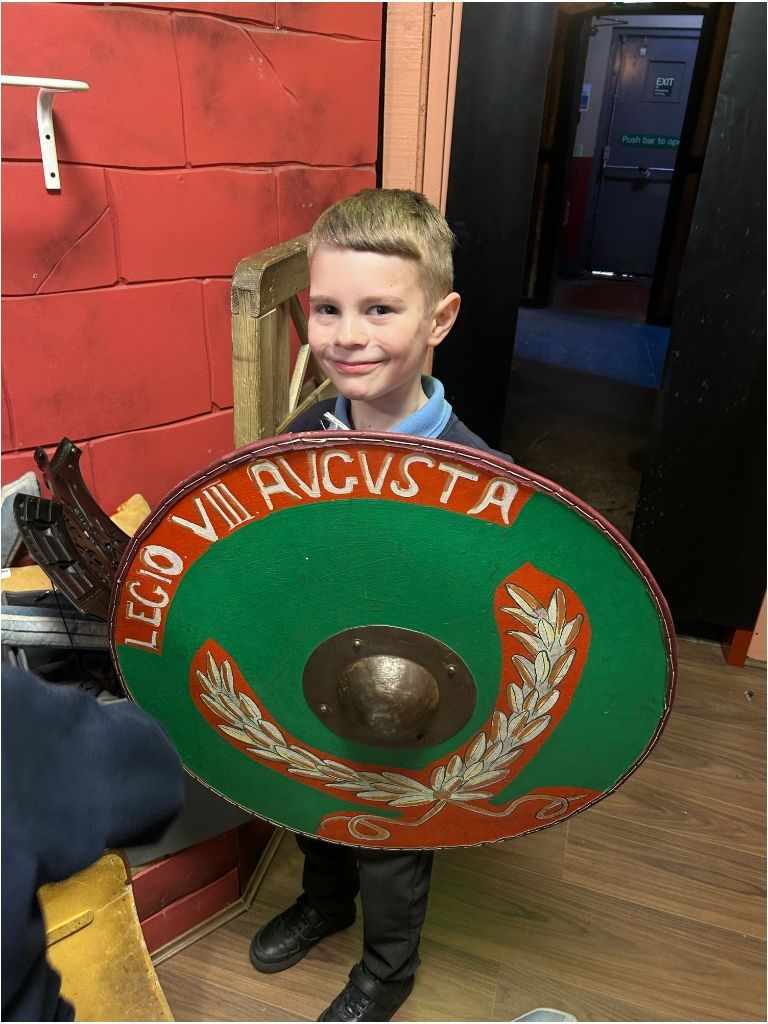
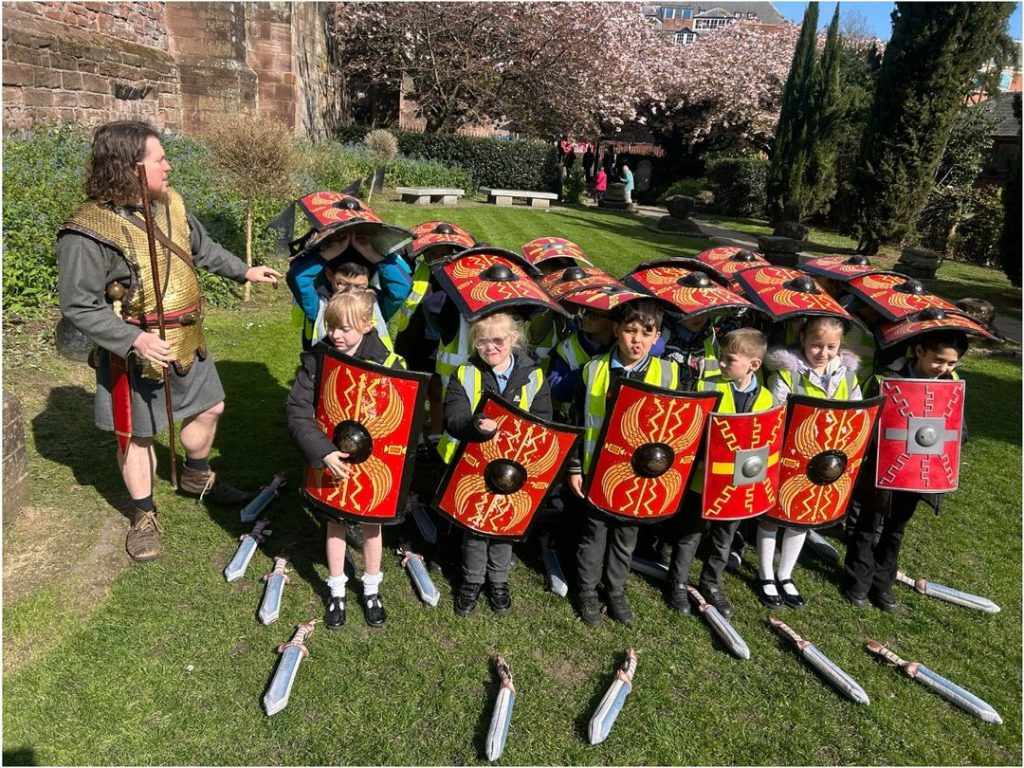
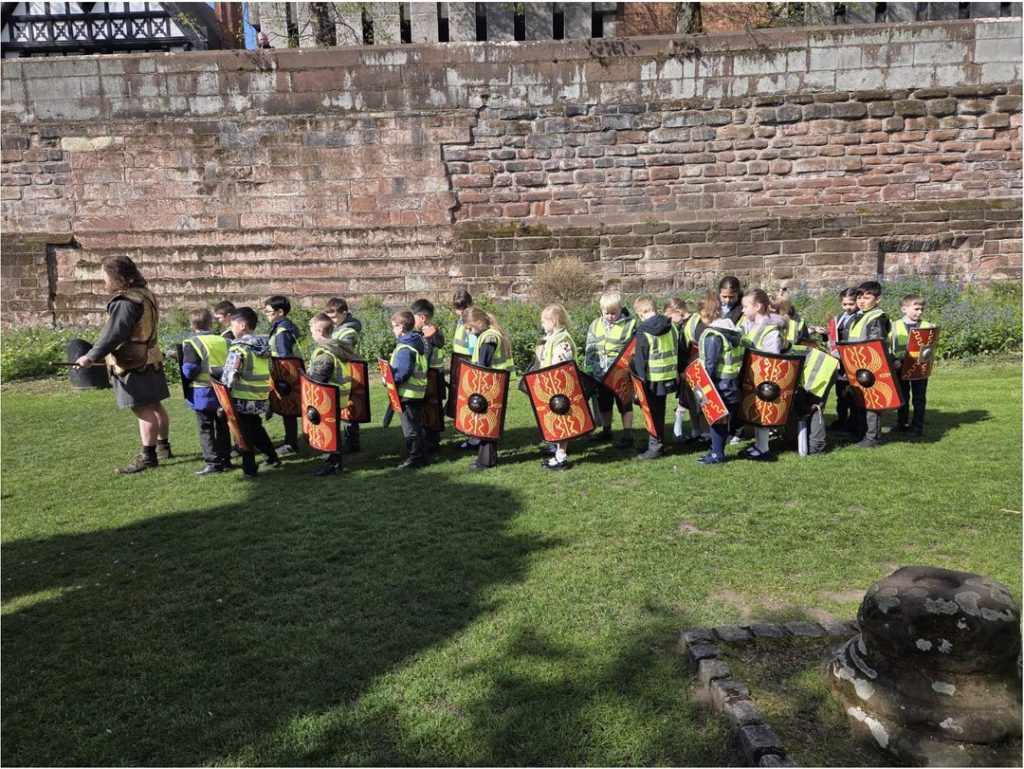
Learning is enriched through a range of first-hand experiences, including educational visits, visitors, workshops and immersive activities. These opportunities bring history to life, strengthen long-term understanding and provide meaningful contexts for learning. Cross-curricular links, particularly with English, Geography and the Arts, further deepen pupils’ knowledge and help them make connections across their learning
Enrichment is integral to implementation:
- Educational visits (such as museums, historical landmarks and local area studies) provide context and bring learning to life.
- Visitors and themed workshops enhance pupils’ understanding of specific periods and events.
- Immersive experiences, including role-play, re-enactments and artefact handling, allow pupils to engage actively with historical content.
Teachers maintain high expectations for all pupils and use ongoing assessment to ensure that gaps are identified and addressed. Learning is adapted to meet the needs of all learners, including disadvantaged pupils and those with additional needs, ensuring that all children can fully participate and achieve.
To ensure all pupils can access the curriculum:
- Learning is adapted to meet the needs of all learners, including disadvantaged pupils and those with additional needs.
- Teachers use ongoing assessment to identify gaps early and provide targeted support, ensuring pupils keep up with their learning.
- Opportunities for collaborative work and discussion support engagement and deepen understanding.
A strong emphasis is placed on language development, with explicit teaching of key historical vocabulary and regular opportunities for pupils to speak, discuss and explain their thinking. Teachers use targeted questioning and modelling to ensure pupils can articulate their ideas clearly and confidently, supporting those with lower starting points in communication.
A consistent whole-school focus on attendance, wellbeing and engagement ensures that pupils are ready to learn and able to fully access the History curriculum.
IMPACT:
The impact of our History curriculum is that pupils develop into knowledgeable, reflective and confident learners with a secure understanding of the past and its relevance to the present.
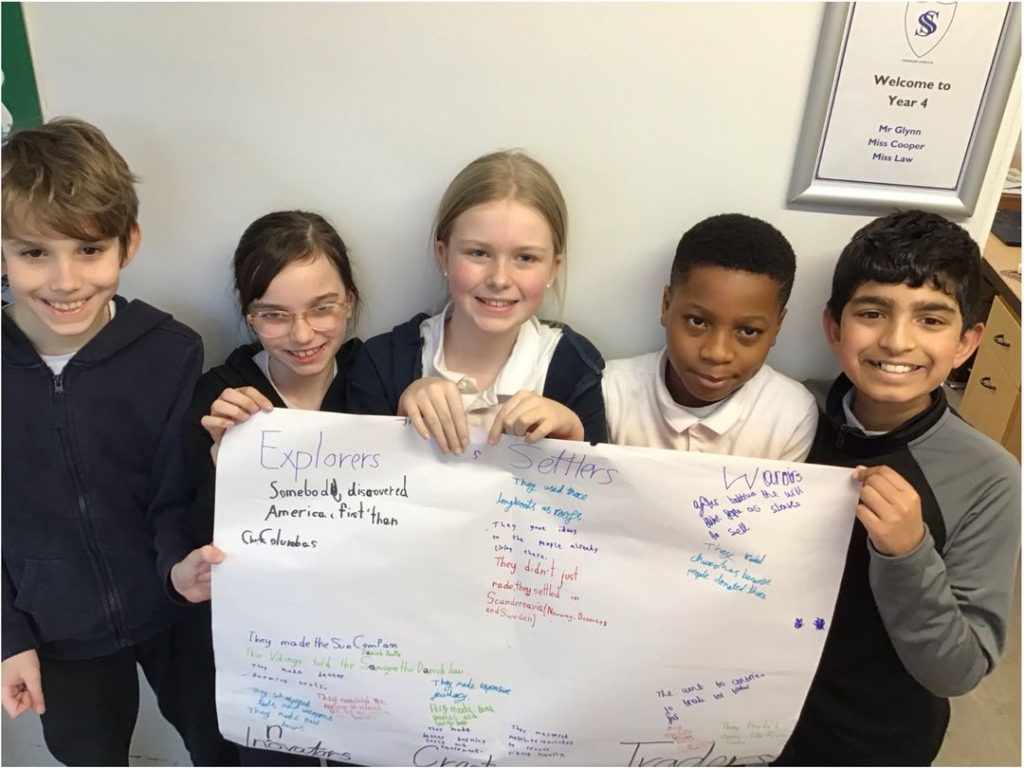
Children leave St Stephen’s with a clear sense of chronology, enabling them to place key events such as the Great Fire of London, Ancient Egypt, the Stone Age, Romans and Vikings within a wider historical context. They are able to make links between periods and understand concepts such as change, continuity and cause and consequence.
Pupils demonstrate strong historical enquiry skills, asking questions, interpreting sources and beginning to evaluate different perspectives. They also show increasing confidence in communicating their ideas, using appropriate vocabulary and engaging in discussion and debate.
The curriculum supports pupils to overcome barriers in language and experience, ensuring all learners can access and succeed in History. As a result, pupils show growing confidence, resilience and independence in their learning.
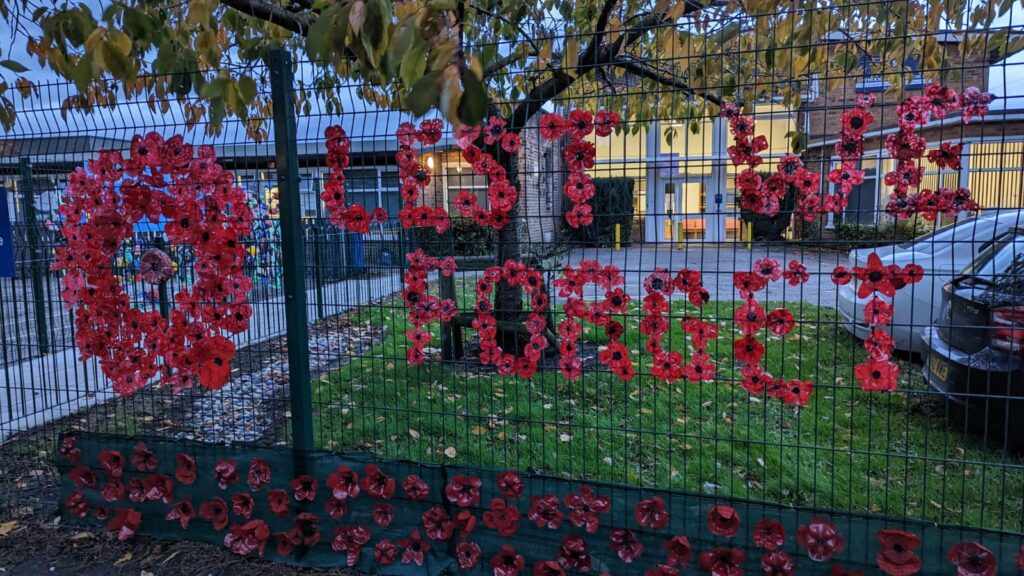
Enrichment plays a key role in impact. Through trips, visitors and immersive activities, pupils gain first-hand experiences that deepen understanding and strengthen long-term recall, while also building cultural capital and awareness of the wider world.
The impact is reflected in:
- High levels of engagement and enjoyment
- Strong recall of knowledge over time
- Improved speaking and explanation skills
- Increased confidence and curiosity
- Greater equality of opportunity for all pupils
Ultimately, our History curriculum fosters curiosity, critical thinking and a lifelong interest in the past, equipping pupils with the knowledge and skills they need for the next stage of their education and to understand their place in the world with the ability to think critically, communicate clearly and make meaningful connections across their learning.


History in the classroom and beyond...